Neuroendocrine and Autonomic Models
This chapter develops quantitative models of the neuroendocrine and autonomic disturbances that contribute to ME/CFS symptoms. It models HPA-axis dynamics, autonomic nervous system regulation, neurotransmitter systems, and the sleep–wake cycle, and extends the framework to the tetrahydrobiopterin competition hypothesis and to cerebral blood-flow autoregulation. Models of central sensitization and pain amplification capture the sensory aspects of the disease. A model application guide explains how these models inform understanding of orthostatic intolerance, cognitive dysfunction, and the neuroendocrine features that accompany ME/CFS.
For patients: little direct use; the models are quantitative, but the Central Sensitization and Pain Amplification and Sleep–Wake Cycle Models sections connect to the pain and fatigue you feel.
For caregivers: little direct use; the neuroendocrine framework adds little to daily care tasks.
For clinicians: read the HPA Axis Models, Autonomic Nervous System Models, and Model Application Guide sections for orthostatic intolerance and cognitive dysfunction.
For researchers: read the full derivation from the HPA Axis Models section through the Central Sensitization and Pain Amplification and Tetrahydrobiopterin Competition Model sections.
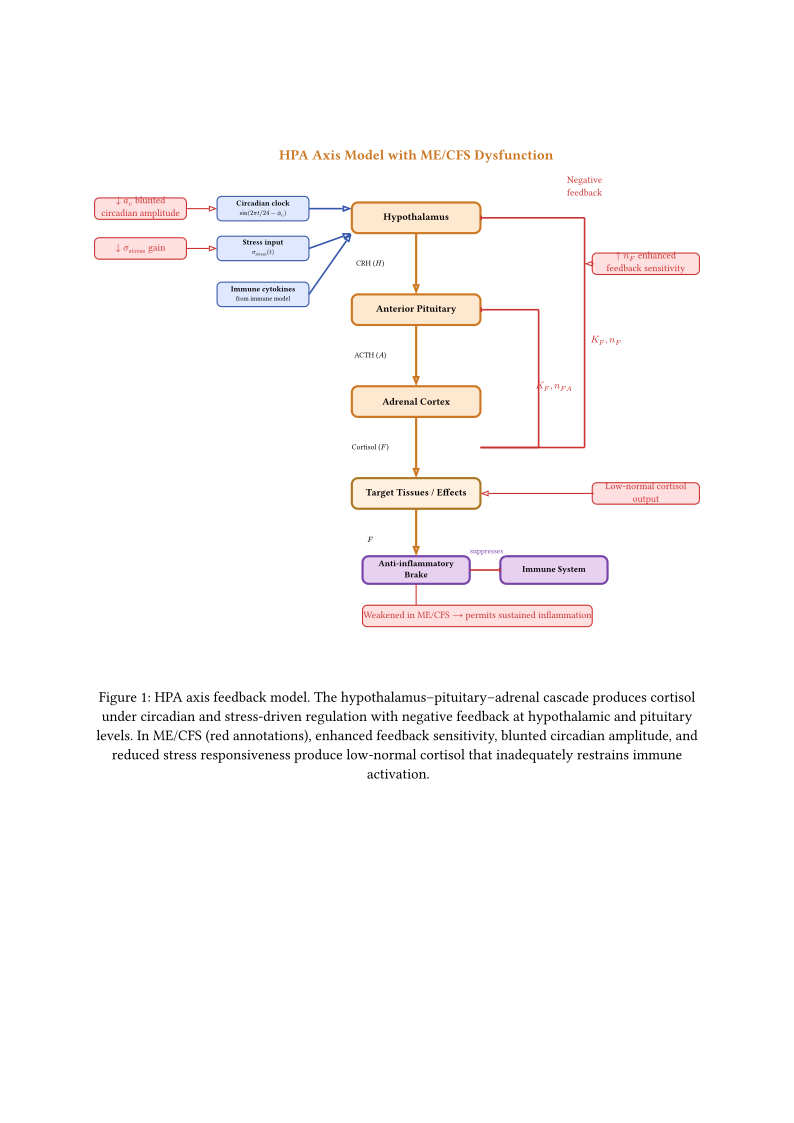 Neuroendocrine and autonomic dysfunction contributes to many of the most debilitating symptoms of ME/CFS, including orthostatic intolerance, unrefreshing sleep, and impaired stress responses (Chapters Neurological and Neurocognitive Dysfunction and Endocrine and Metabolic Dysfunction). This chapter develops mathematical models of the hypothalamic–pituitary–adrenal (HPA) axis, the autonomic nervous system, and sleep–wake regulation, with emphasis on the bidirectional coupling between these systems and the immune and metabolic pathways modeled in Chapters Energy Metabolism Models and Immune System Models.